Enhancing Safety in Hazardous Environments: The Role of Low Voltage Motors
Operating in hazardous environments can come with many risks. As technology has evolved and strong safety regulations have been enforced, the importance of incorporating safety features into hazardous workplace operations can't be overstated– especially when it comes to using low voltage motors. Whether used in power generation, consumer electronics, or other applications requiring high performance output from a motor drive system, these solutions are essential for mitigating risk while obtaining maximum value from an operation. In this blog post we'll explore what makes low voltage motors so valuable and discuss some approaches to leverage their benefits for better protection on the job site.
1. Understanding Explosion-Proof Motor Design
Explosion-proof motor design is a crucial safety measure that every industry should implement when dealing with flammable materials. Whether it's gas, liquids or powders, the risk of an explosion is real and very dangerous. Low voltage motors are specifically designed to give workers peace of mind by ensuring safety in hazardous environments. The design is complex and uses special materials such as copper, steel and aluminum alloys that are resistant to high temperatures and explosions. Understanding how these motors work is essential not only to those working in chemical plants or oil refineries but also in everyday life. Explosions can occur in a variety of settings, which is why it's important to be aware of this technology and how it can help prevent life-threatening accidents.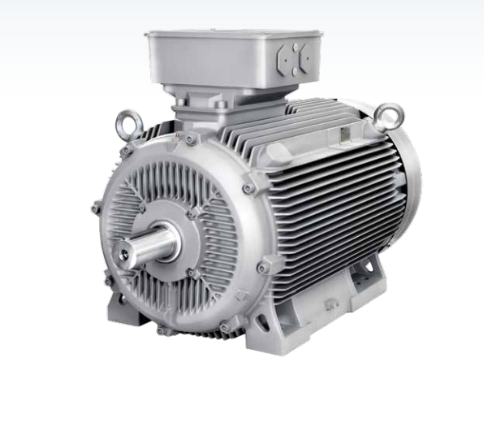
2. Key Safety Features of Low Voltage Motors in High-Risk Industries
In high-risk industries, safety is a top priority. That's why low voltage motors must have key safety features. These safety features can vary depending on the specific industry and application, but typically they include things like over-temperature protection, insulation monitoring, and short-circuit protection. Over-temperature protection ensures that the motor doesn't overheat, which can be a significant hazard in certain environments. Insulation monitoring helps to detect potential issues with the motor's wiring, which can prevent shocks and other safety hazards. And short-circuit protection helps to prevent electrical fires and other accidents that can occur when a motor experiences a short. By incorporating these safety features, low voltage motors can help to protect workers and prevent accidents in high-risk industries.
3. Case Studies: Low Voltage Motors in Hazardous Areas
Low voltage motors are an essential component of many hazardous areas, powering everything from ventilation systems to conveyor belts. While their small size may make them seem relatively harmless, these motors can pose a risk when operating in environments where flammable liquids, vapors, gasses or dust are present. To prevent disaster, low voltage motors installed in these areas must be designed to meet strict safety guidelines and regulations. By studying past cases, businesses can gain valuable insights into the risks involved with this type of equipment and work to implement measures that will keep their staff and facilities safe.
Overall, explosion-proof motor design is an amazing and important invention that contributes to safety in hazardous areas. Despite the extensive precautions taken when designing these motors, they remain in constant risk from combustible gas leakage or ignition combustibles outside their enclosures. Companies should routinely inspect and test their Low Voltage Motor components to confirm their compliance with local regulatory laws and safety standards. In addition, individual industrial sites must remain vigilant when inspecting equipment for any signs of possible wear that could cause a drop in performance or worse yet heightened hazardous risks. By ensuring the safety features of low voltage motors are properly maintained and tested, companies can increase their chances against potential ignition sources while providing a safer and healthier workplace for all employees. It’s worth noting that such measures not only lead to increased safety standards but also improved operational efficiencies as fewer staff disruptions occur due to lack of hazard awareness or poor operational maintenance practices. We encourage businesses seeking understanding of explosion-proof motor design to consult experts on codes and regulations related to their specific environments before implementing any new equipment. Taking such measures will ensure everyone involved remains alert, diligent, and proactive in keeping Low Voltage Motors safe from accidental harm!